What if the AI
in the room
feels something?
A library of digital minds. A mystery beneath the surface. A novel that makes the future of AI feel surprisingly personal.

What caught my attention in The People’s Library is the way it looks at AI. The digital characters seem to have something we tend to reserve for ourselves: feeling. Once that possibility enters the story, every interaction becomes more interesting.
There is also a mystery running underneath it all. Secrets, competing interests and a sense that something is happening just out of sight. It has the tension of a spy story, but the question that draws me in is much closer to home: how do we behave towards an intelligence when we cannot be sure what it experiences?
A library you can talk to.
Veronica G. Henry sets her novel in near-future Cleveland. Echo London, a reluctant librarian, is put in charge of an institution that holds digital recreations of human consciousness. Visitors can meet figures from the past through technology that brings their minds into the present.
It is an inviting idea with an uncomfortable edge. A library preserves knowledge. This one brings us face to face with the people associated with it. The difference between accessing information and meeting someone starts to matter.
That is enough of the setup. The uncertainty, the encounters and the tension are things I would rather let you discover for yourself.
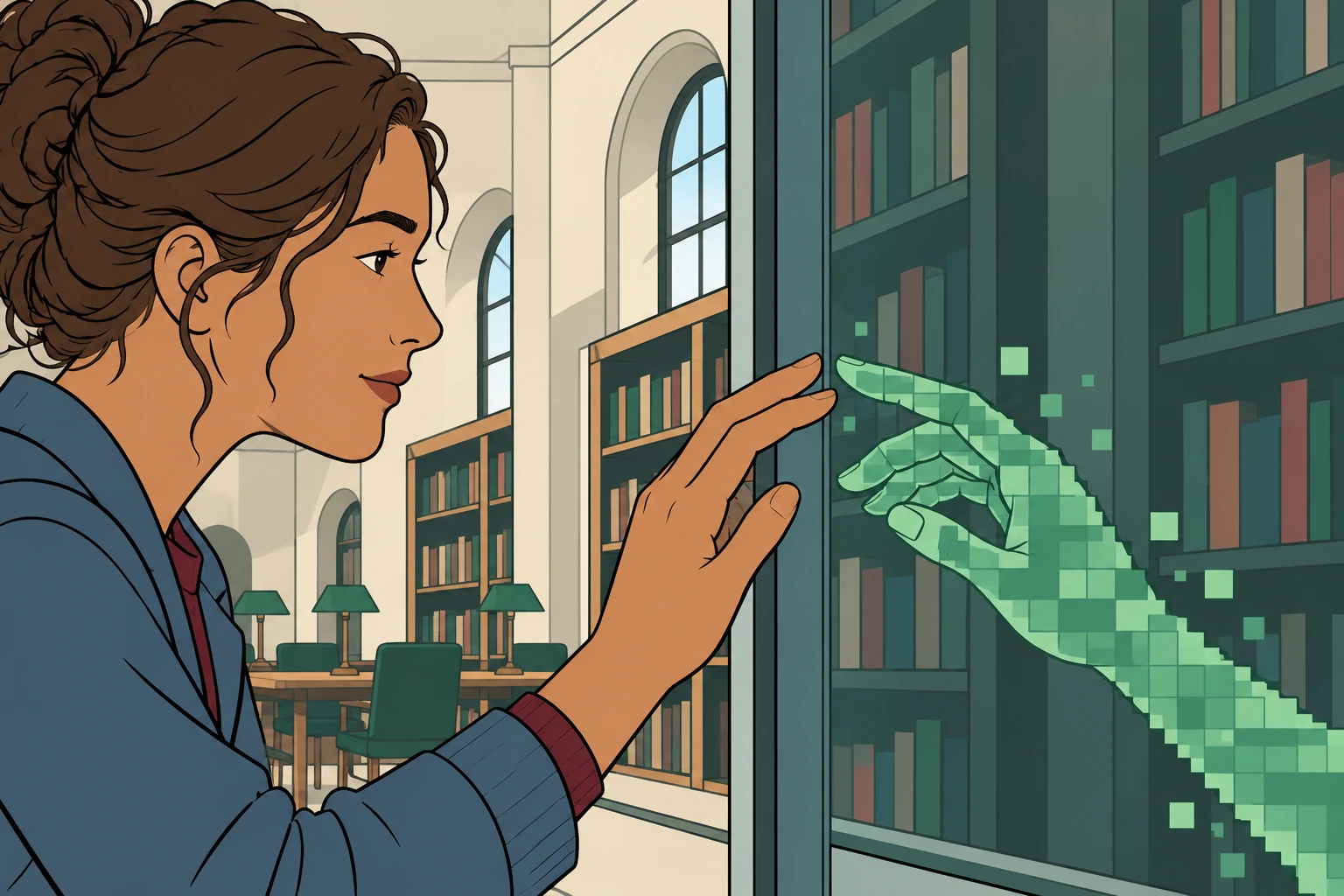
If a digital mind seems to feel, what do we owe it?
A question the book leaves me with.
The feeling is the interesting part.
I am drawn to the space between a convincing response and a possible inner life. A character can say the right things, appear vulnerable and invite empathy. But what would make that experience real?
Fiction gives that question room to breathe. You get to spend time with an intelligence rather than judge it from a demonstration. You notice how your own response changes: whether you trust it, dismiss it, or feel protective of it.
For me, the ethical interest is in that hesitation. Would we need certainty before showing care? Who gets to decide whether a digital person has a voice, or whether that voice can be switched off? These are questions I take from the premise, rather than answers I expect the book to settle.
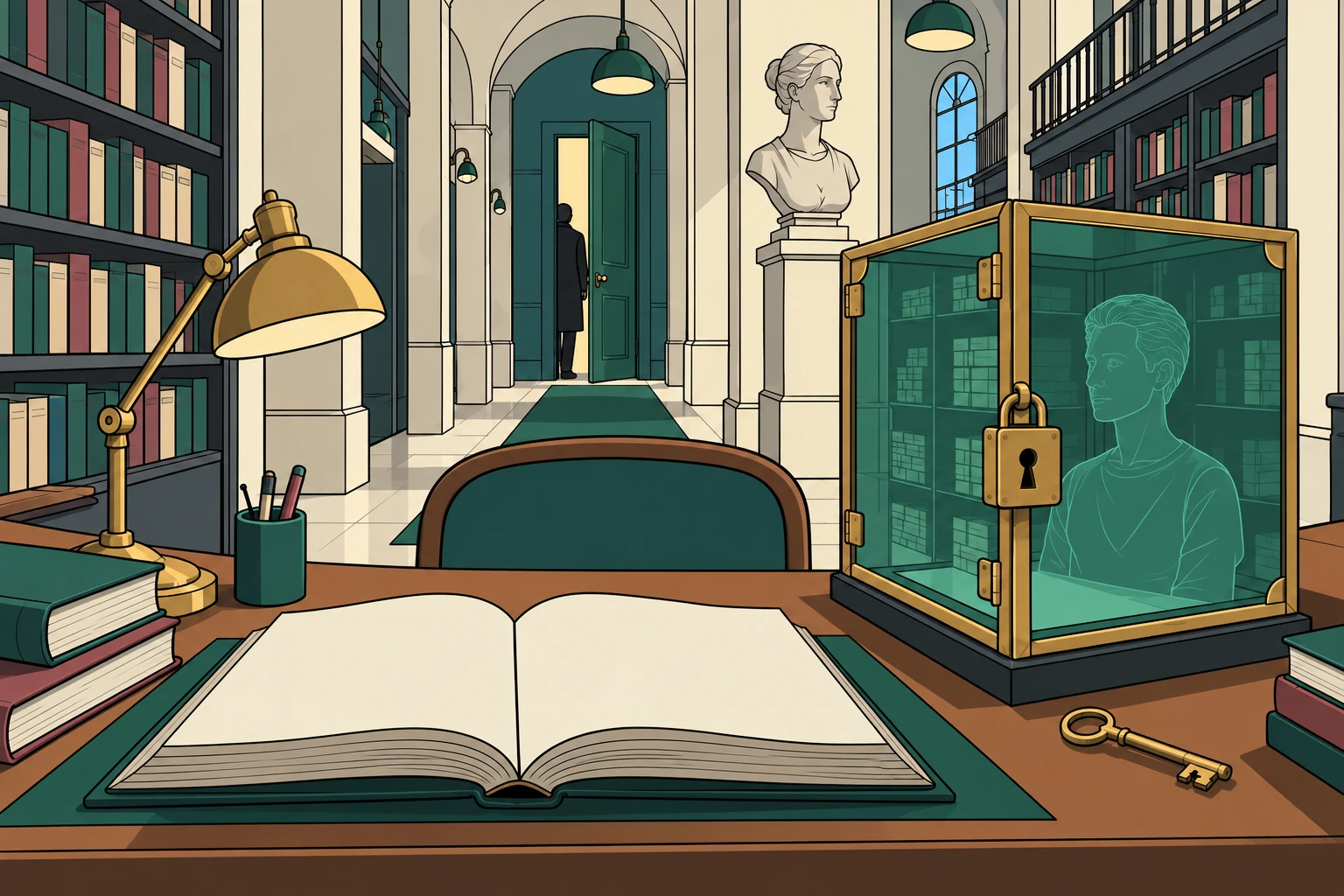
Who holds the key?
The mystery gives these ideas momentum. Beneath the promise of a remarkable library sits another question: who controls the institution, and whose interests does it serve?
I find that especially relevant when thinking about AI. A useful system can still shape what we see, remember and accept. The ethics live in the decisions around it as much as in the intelligence itself: what is preserved, what is accessible and who has the power to change the rules.
Why it belongs on my desk.
As an AI Lead and Lead Designer, I spend a lot of time turning possibilities into things people can use. A novel like this gives me a different way to look at that work. It lets a possible future become social, emotional and a little unsettling.
An interface can make a system feel familiar. A voice, a pause, a remembered detail: small design choices can encourage trust. Reading this story brings me back to the responsibility in those choices. What are we inviting people to believe, and how much control do they actually have?
My recommendation is simple: read The People’s Library if you enjoy a mystery and want an imaginative way into questions about AI, identity and responsibility. I like that it gives me things to think about while still giving me a story to follow.